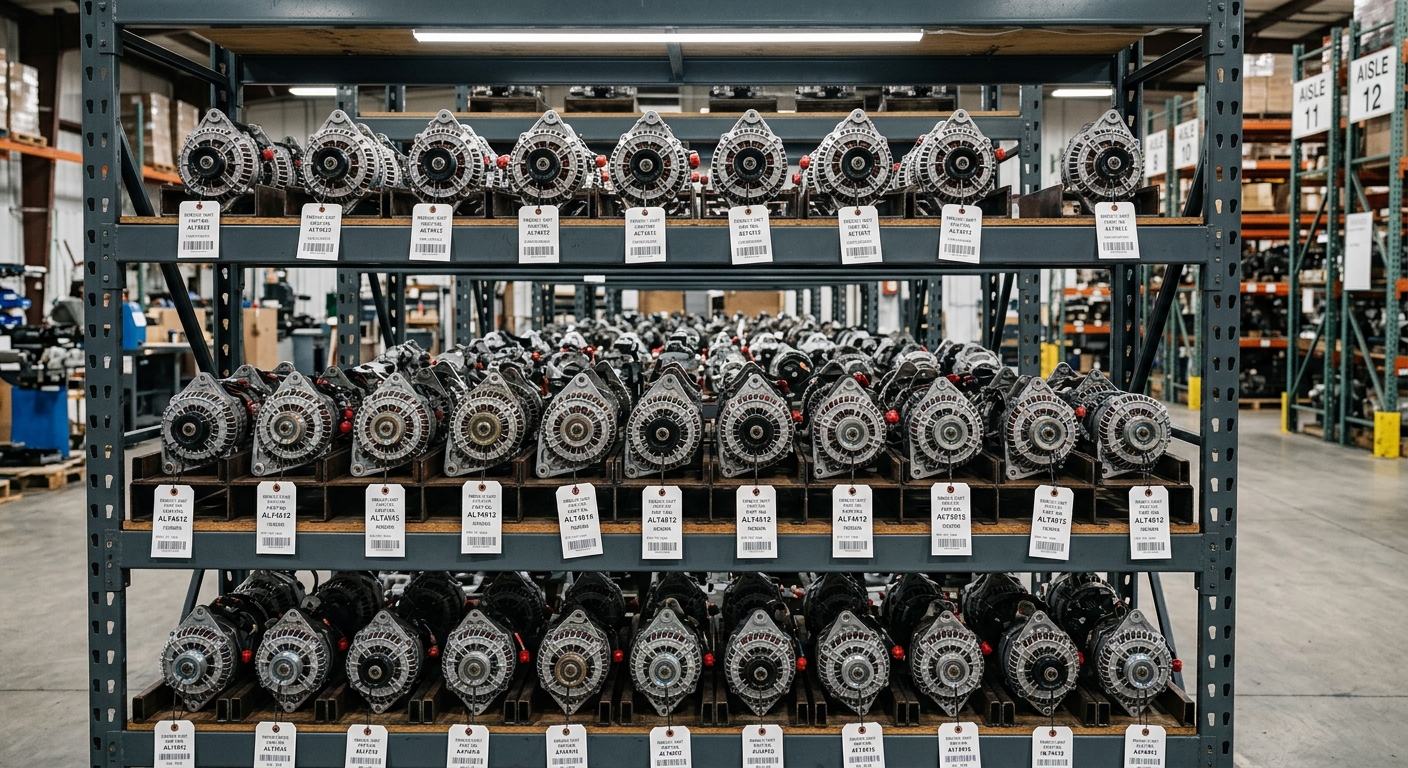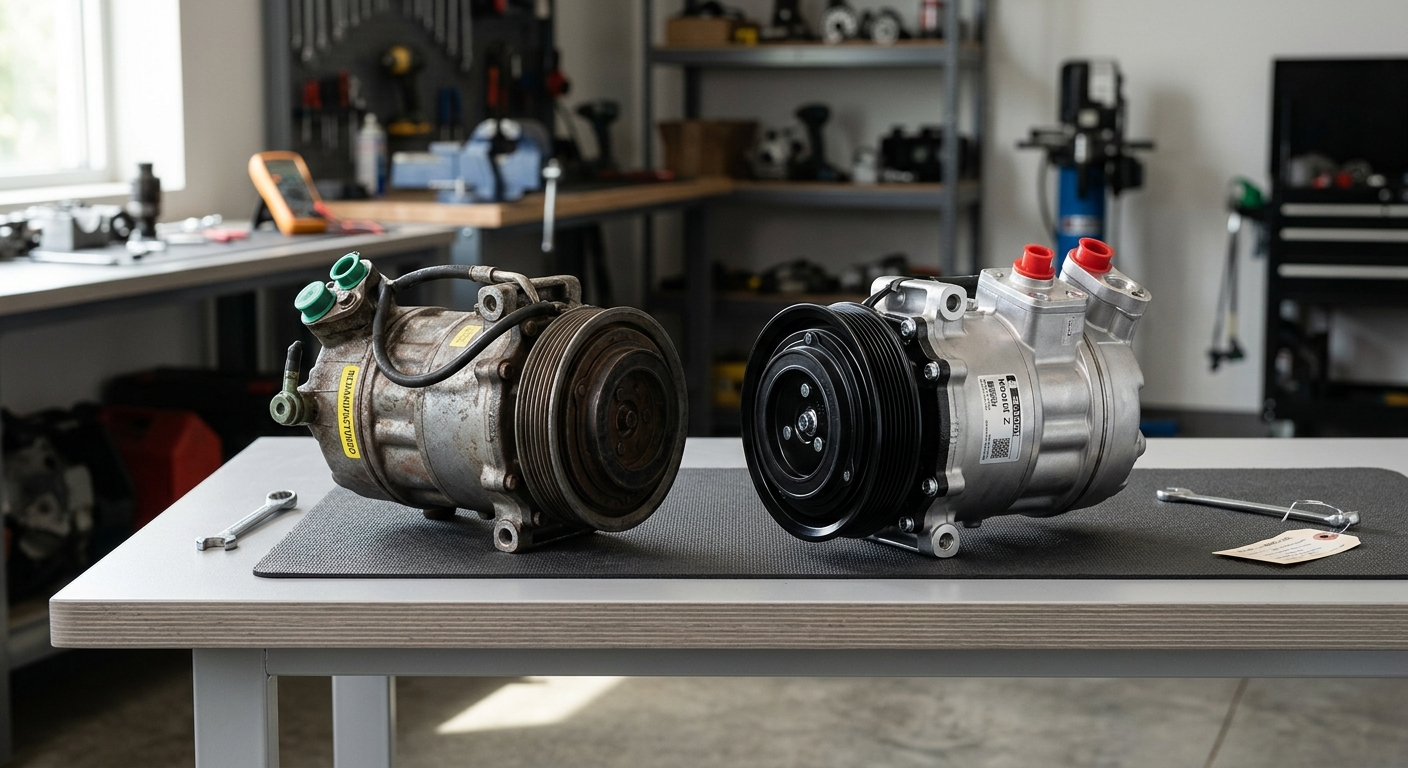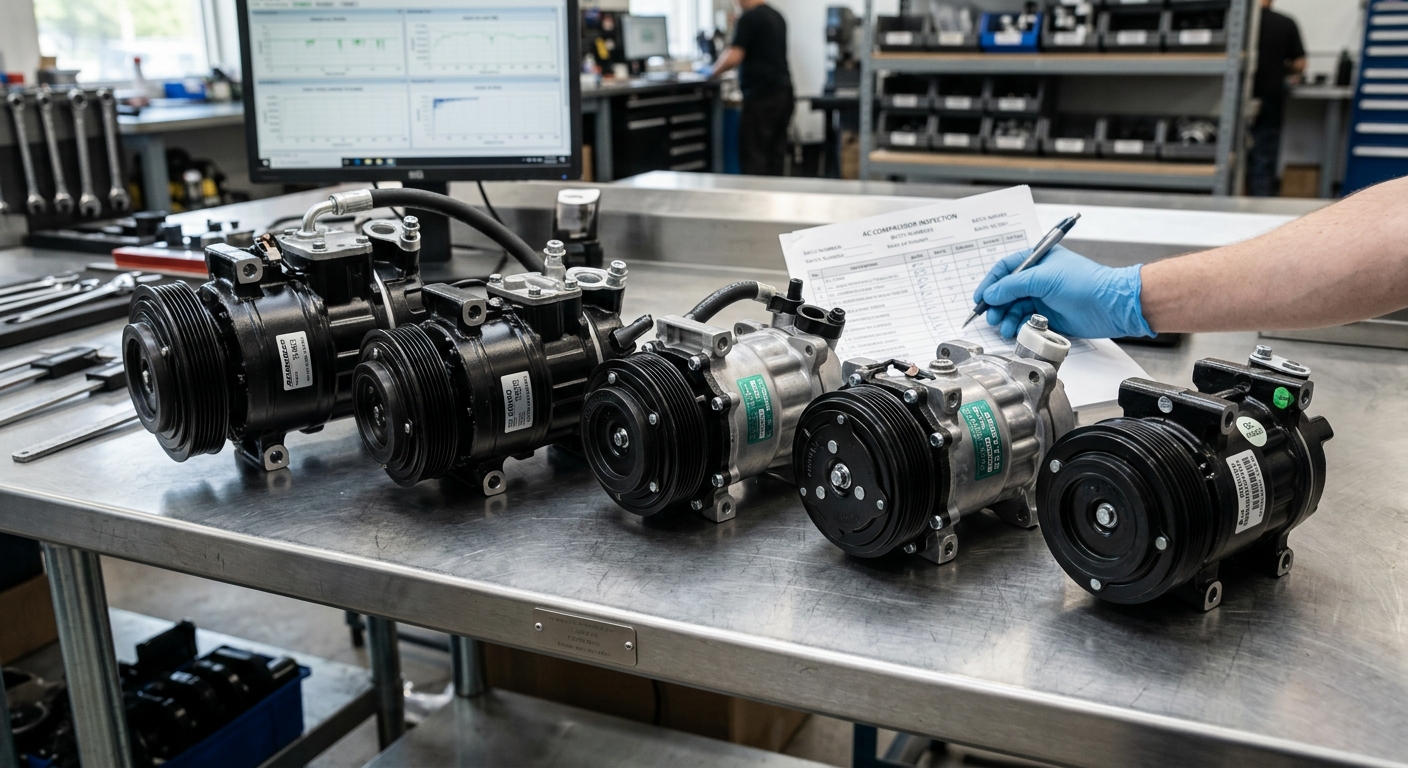
AC compressor compatibility by vehicle brand comes down to three hard checkpoints: the OEM part number, the mounting/pulley configuration, and the refrigerant port layout — get any one wrong and the unit won’t bolt in or seal properly, no matter how good the compressor itself is. For wholesale buyers, this isn’t a minor detail; it’s the single biggest source of returns, chargebacks, and damaged supplier relationships in the AC parts trade.
Why ‘Fits Most Models’ Is a Red Flag, Not a Selling Point
If a supplier’s spec sheet says a compressor “fits most Toyota and Honda models,” walk away. AC compressors are not universal parts — even within the same brand, a 2015 Camry 2.5L and a 2015 Camry 3.5L can use completely different compressor bodies, mounting bolt patterns, and electrical connector types.
Vague fitment language usually means the supplier hasn’t done the cross-reference work themselves, which pushes that risk onto you. Demand year-range, engine displacement, and trim-level specificity before you even ask for pricing.
The OEM Reference Number Is Your First Filter
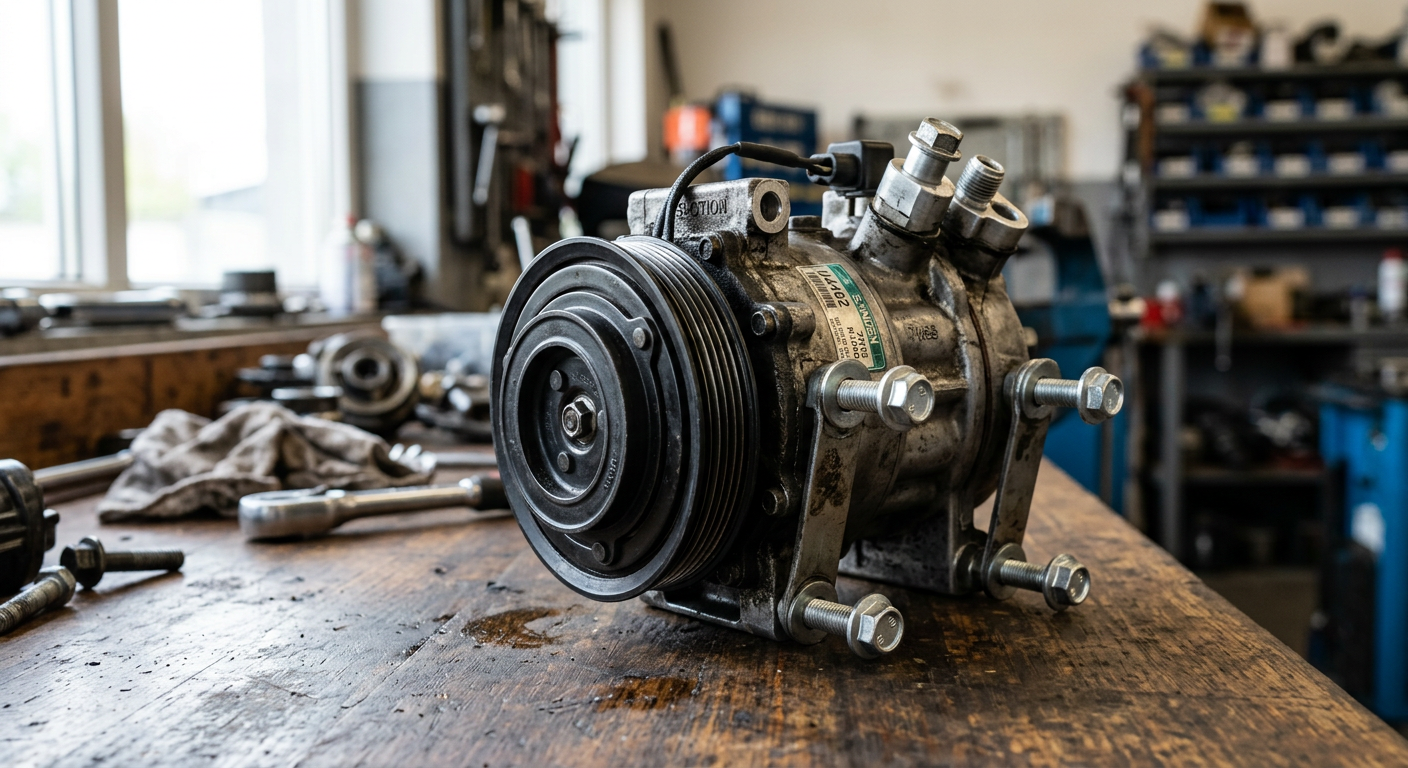
Every legitimate AC compressor listing should trace back to an OEM part number — this is non-negotiable for wholesale sourcing. The OEM number tells you the exact vehicle application the compressor was engineered for, and it’s the anchor point for verifying any aftermarket or remanufactured equivalent against it.
What to ask your supplier
- What is the OEM number this unit replaces?
- Which aftermarket cross-reference numbers (Denso, Sanden, Delphi equivalents) apply?
- Is there a printed or stamped ID on the compressor housing matching the listed spec?
If a supplier can’t answer these three questions on the spot, they’re likely reselling stock without doing their own fitment verification — a risky partner for bulk orders. For general guidance on comparing compressor options before committing, see our guide to choosing the best AC compressor for cars.
Mounting Pattern and Pulley Type: Where Most Mismatches Happen
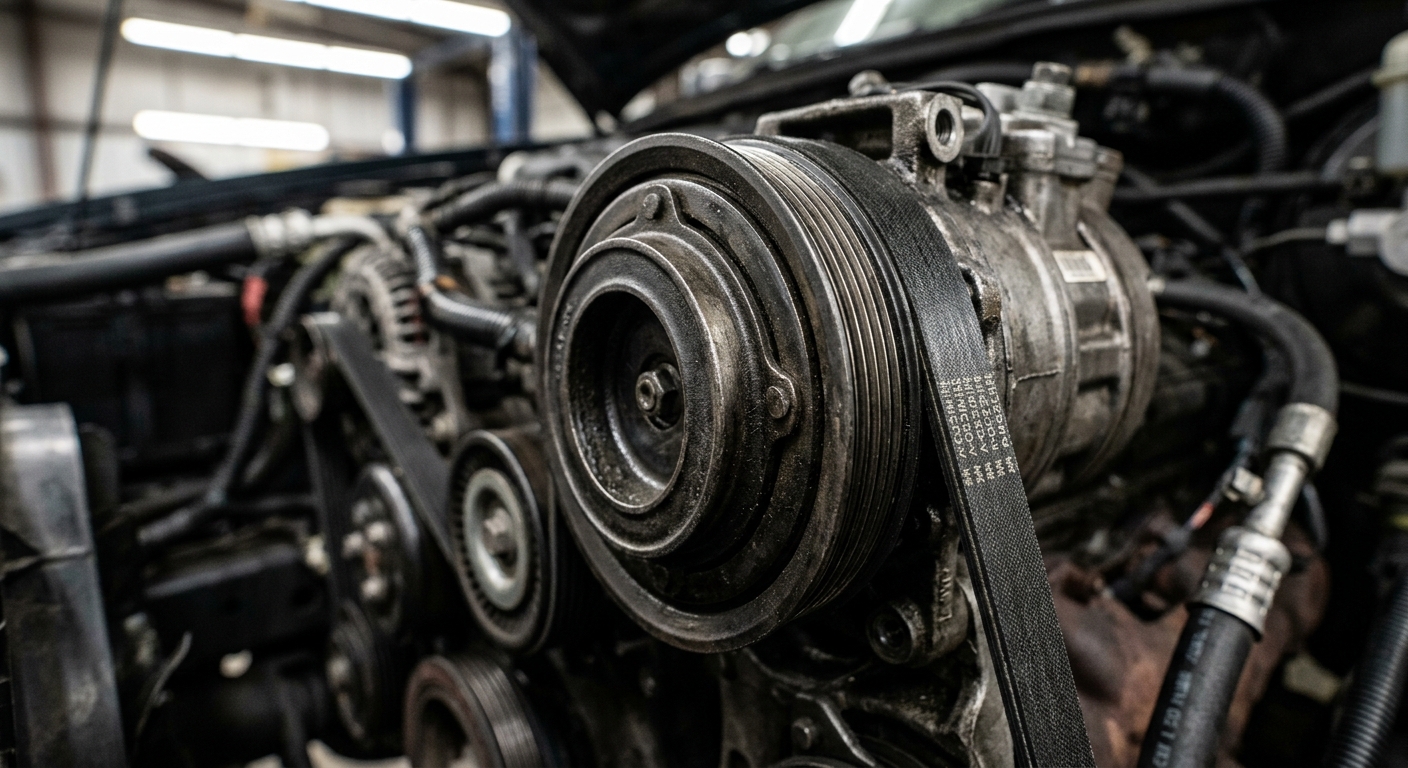
Even when the OEM number matches, the physical mounting bracket geometry and pulley groove count can differ across regional production runs — this catches a lot of buyers off guard. A 6-groove serpentine pulley won’t run on a system built for a 5-groove pulley, and a compressor with a different bolt spacing simply won’t seat against the mounting bracket.
Common mismatch points
- Bolt-hole spacing and thread pitch on the mounting ears
- Pulley groove count (4, 5, or 6-groove variants)
- Clutch type — electromagnetic clutch vs. variable displacement, non-clutch designs
- Electrical connector shape for the clutch coil
For example, a European distributor sourcing compressors for a mixed fleet of Volkswagen and Audi vehicles found that two units listed under the same OEM cross-reference actually had different pulley groove counts — because one was built for a market-specific production variant. A quick spec-sheet comparison before shipment caught it, saving a full container from being rejected on arrival.
Refrigerant Port Layout and System Type
Port orientation matters more than most buyers assume. Some vehicle platforms use vertical port blocks, others horizontal, and the fitting size differs between R-134a and R-1234yf systems. Since 2022, more brands — particularly European and newer Asian models — have shifted toward R-1234yf, and compressors built for the older refrigerant will not seal correctly on the newer system’s fittings.
Before finalizing a wholesale order, confirm which refrigerant standard the target vehicle range uses. Mixing this up on a large order means every unit gets returned, not just a few — and that’s a cost that erodes margin fast on bulk deals.
Brand-by-Brand Sourcing Notes Worth Knowing
Japanese brands (Toyota, Honda, Nissan)
Generally consistent compressor architecture within model generations, but hybrid variants often use electric-driven compressors instead of belt-driven units — a completely different sourcing category.
American brands (Ford, GM, Chrysler)
Wide use of variable displacement compressors across trucks and SUVs; watch for regional production differences between US-built and Mexico-built units.
European brands (VW, BMW, Mercedes)
Tighter tolerances and more frequent mid-cycle part revisions — always verify the production date range, not just the model year.
Korean/Chinese brands (Hyundai, Kia, Changan, Geely)
Rapidly expanding aftermarket support, but cross-reference databases lag behind — direct OEM verification is more reliable here than relying on third-party catalogs. Our breakdown of the Changan sedan generator assembly illustrates how closely electrical and AC component sourcing overlap for this brand segment.
New vs. Remanufactured: Does Compatibility Risk Change?
Compatibility risk is actually higher with remanufactured units if the rebuilder isn’t disciplined about core sorting. A reman shop that mixes similar-looking cores from different model years can accidentally rebuild a compressor with the wrong internal displacement or valve plate configuration.
That’s why quality remanufacturers test-fit and log the original core’s VIN-derived data before rebuilding, not just the visible casting number. If you’re weighing the tradeoffs, our article on whether a remanufactured car AC compressor is worth it covers the cost and quality side in more depth, and our comparison of remanufactured vs new AC compressors for repair shop stock is useful for building a mixed inventory strategy.
Building a Pre-Order Compatibility Checklist
Before you sign off on a wholesale purchase order, run every SKU through this five-point check:
- OEM part number confirmed and cross-referenced against at least two independent catalogs
- Pulley groove count and clutch type verified against target vehicle spec
- Refrigerant port type and orientation matched (R-134a vs R-1234yf)
- Mounting bolt pattern confirmed via spec sheet or physical sample
- Sample unit requested and test-fitted for any new supplier relationship
Skipping step five is the most common shortcut buyers take — and the one that causes the most expensive mistakes. A $40 sample unit is far cheaper than a rejected 500-unit container.
Evaluating the Supplier Behind the Part
Compatibility data is only as reliable as the supplier providing it. A supplier with proper quality control will document core sourcing, testing procedures, and fitment verification as a matter of routine — not as something you have to ask for repeatedly.
If you’re building a new supply chain relationship, our guide on how to identify a high-quality auto parts supplier outlines the red flags to watch for beyond just pricing. And since AC compressors are often sourced alongside rebuilt alternators and starters in mixed electrical-parts orders, applying the same fitment discipline across your whole catalog pays off.