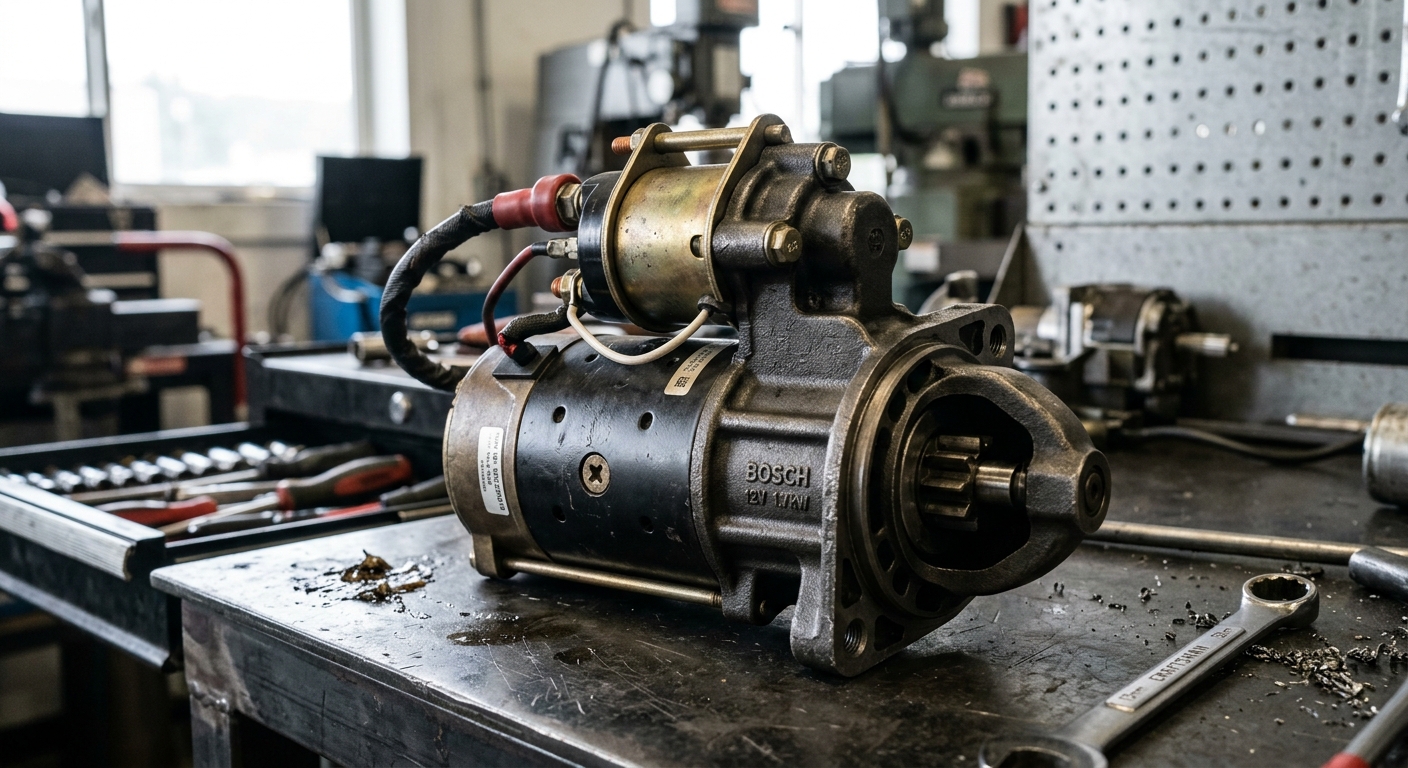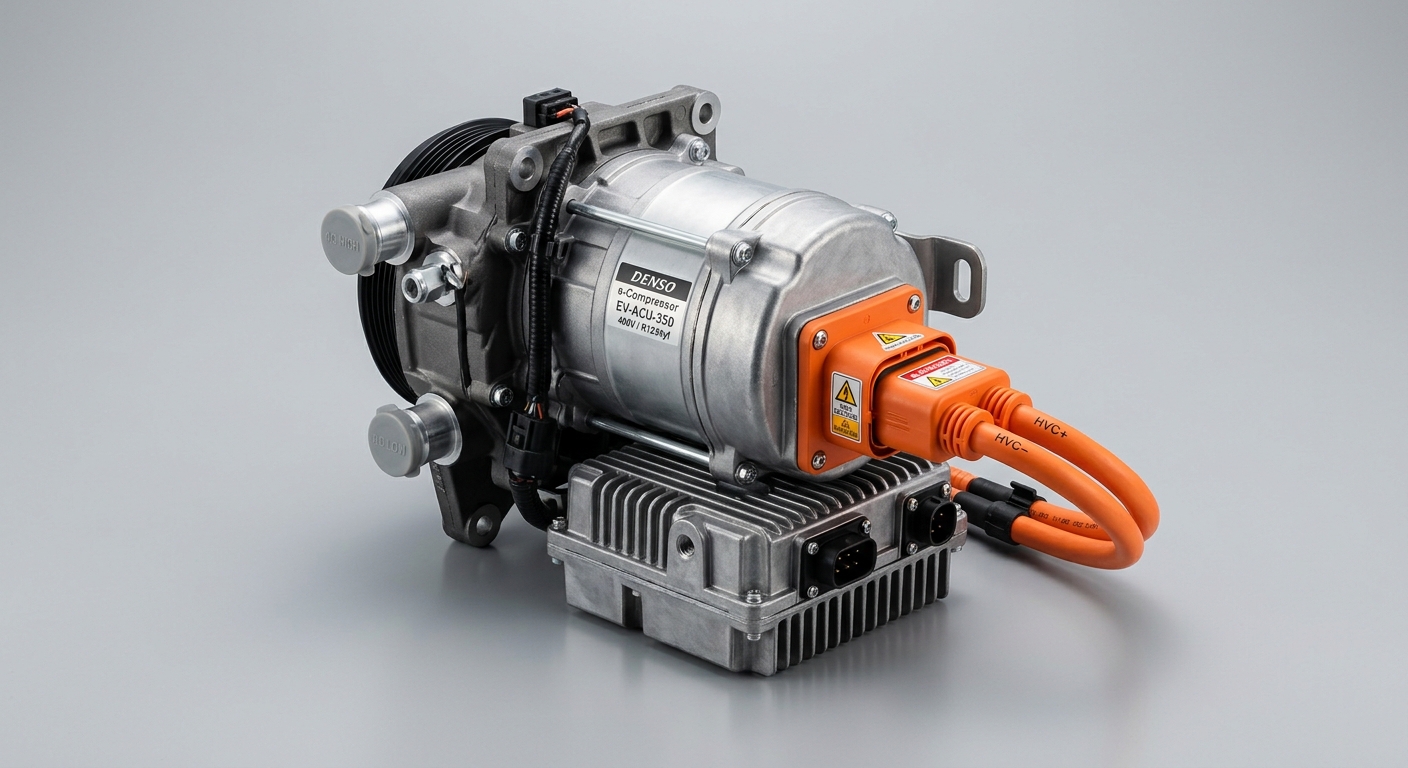
An electric AC compressor for an EV has to match four things exactly: the vehicle’s high-voltage class (typically 300V, 400V, or 800V systems), the refrigerant type it was engineered for (R1234yf or R744), the specific POE oil viscosity grade, and the physical HV/LV connector layout. Miss any one of these and you don’t get a slightly-worse-performing part — you get a compressor that won’t power on, throws an insulation fault, or damages the inverter it’s plugged into. This is a fundamentally different sourcing problem than matching a belt-driven compressor, and treating it the same way is the single most common mistake we see from buyers moving into EV parts.
Why EV Compressors Aren’t Just ‘Electric Versions’ of Combustion Compressors
Here’s the mistake that trips up even experienced parts buyers: assuming an electric AC compressor is just a combustion-engine compressor with a motor bolted on instead of a pulley. It’s not. The compressor itself is only one half of a sealed, electronically controlled system that includes an integrated inverter, a control board, and — in many cases — insulation monitoring circuitry that talks directly to the vehicle’s battery management system.
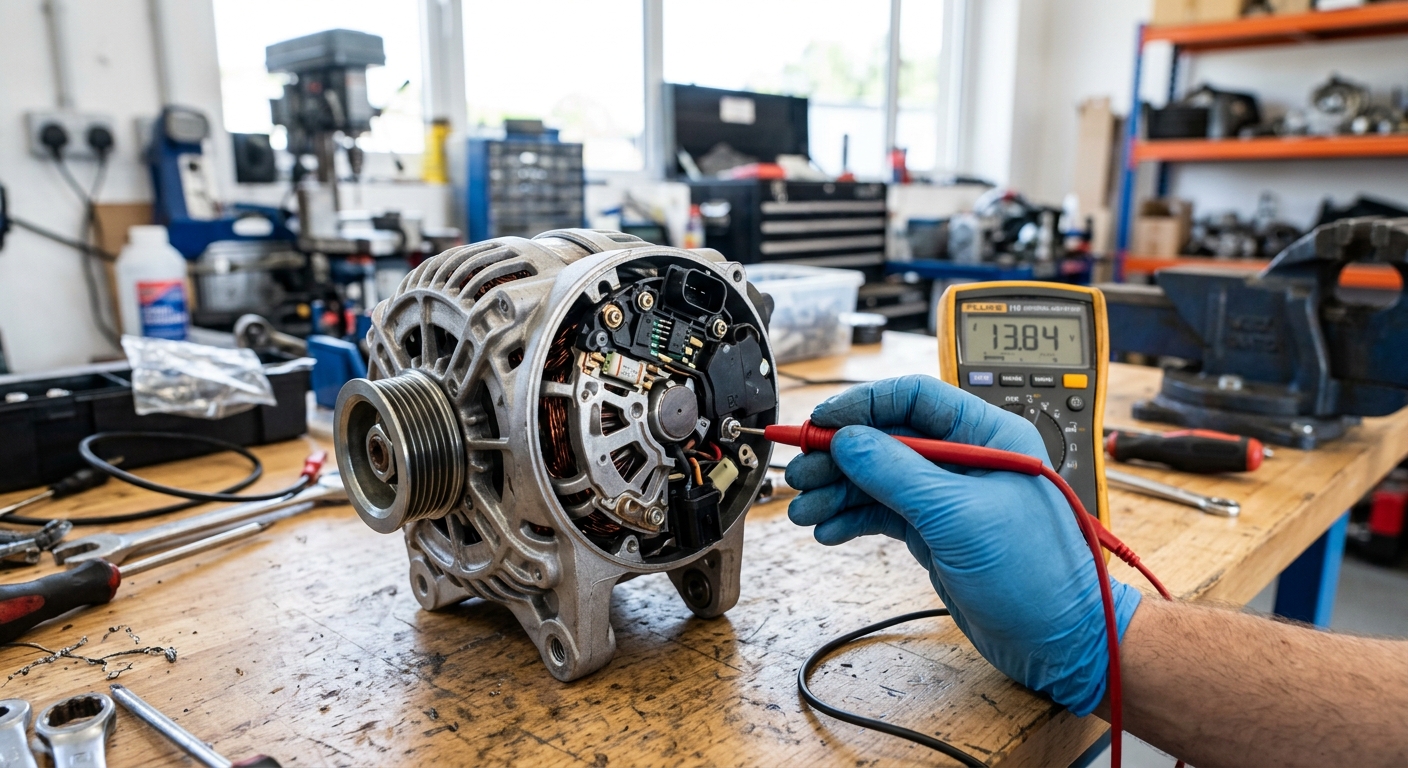
That means an EV compressor isn’t purely a mechanical part anymore. It’s an electrical component with a mechanical function, and it has to be evaluated the way you’d evaluate an alternator or other rotating electrical unit — with attention to insulation resistance, dielectric strength, and control signal compatibility, not just displacement and mounting bolts.
The Practical Consequence
A wholesaler sourcing electric compressors purely off a cross-reference part number without checking the voltage class and connector pinout is gambling with every unit shipped. One wrong batch and you’re dealing with warranty claims tied to inverter damage — a far more expensive comeback than a leaky seal.
Voltage Class: The First Filter, Not an Afterthought
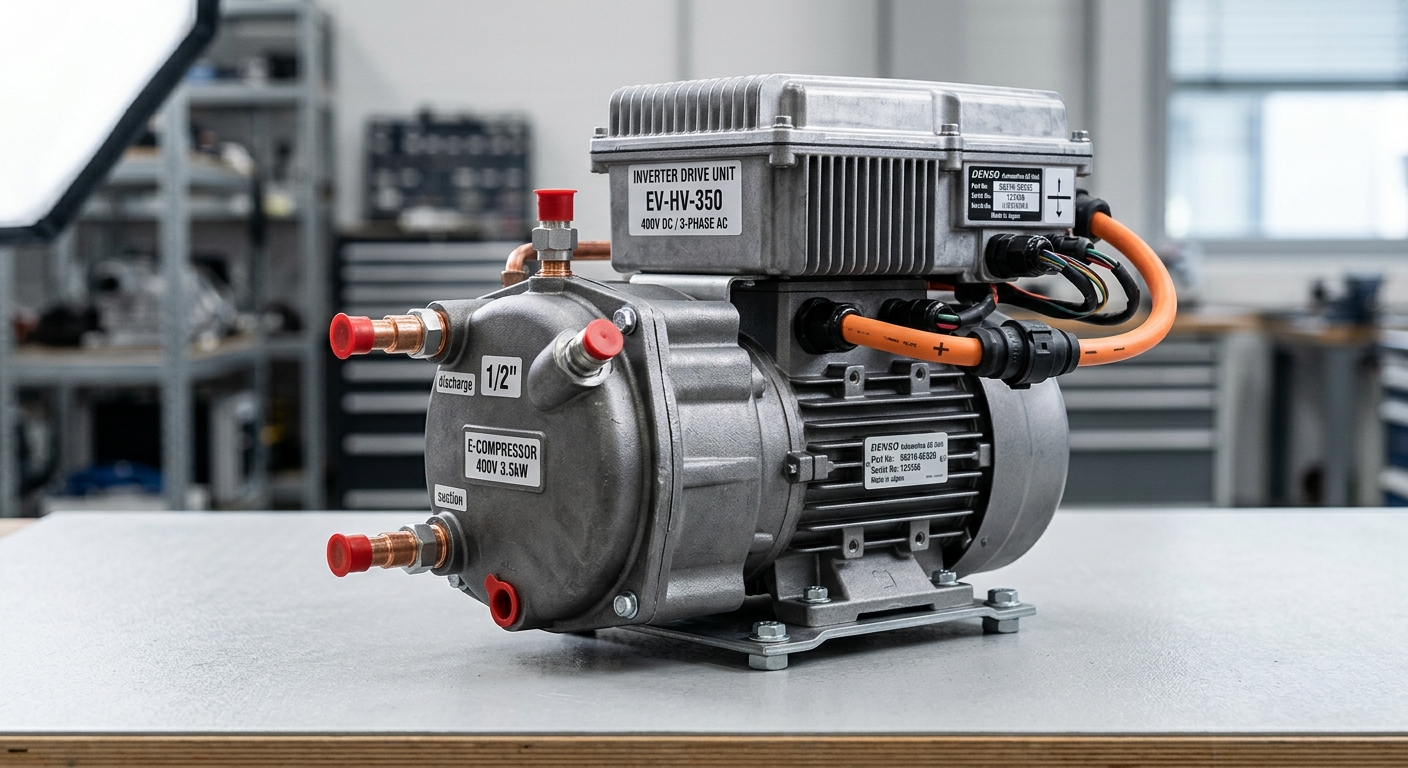
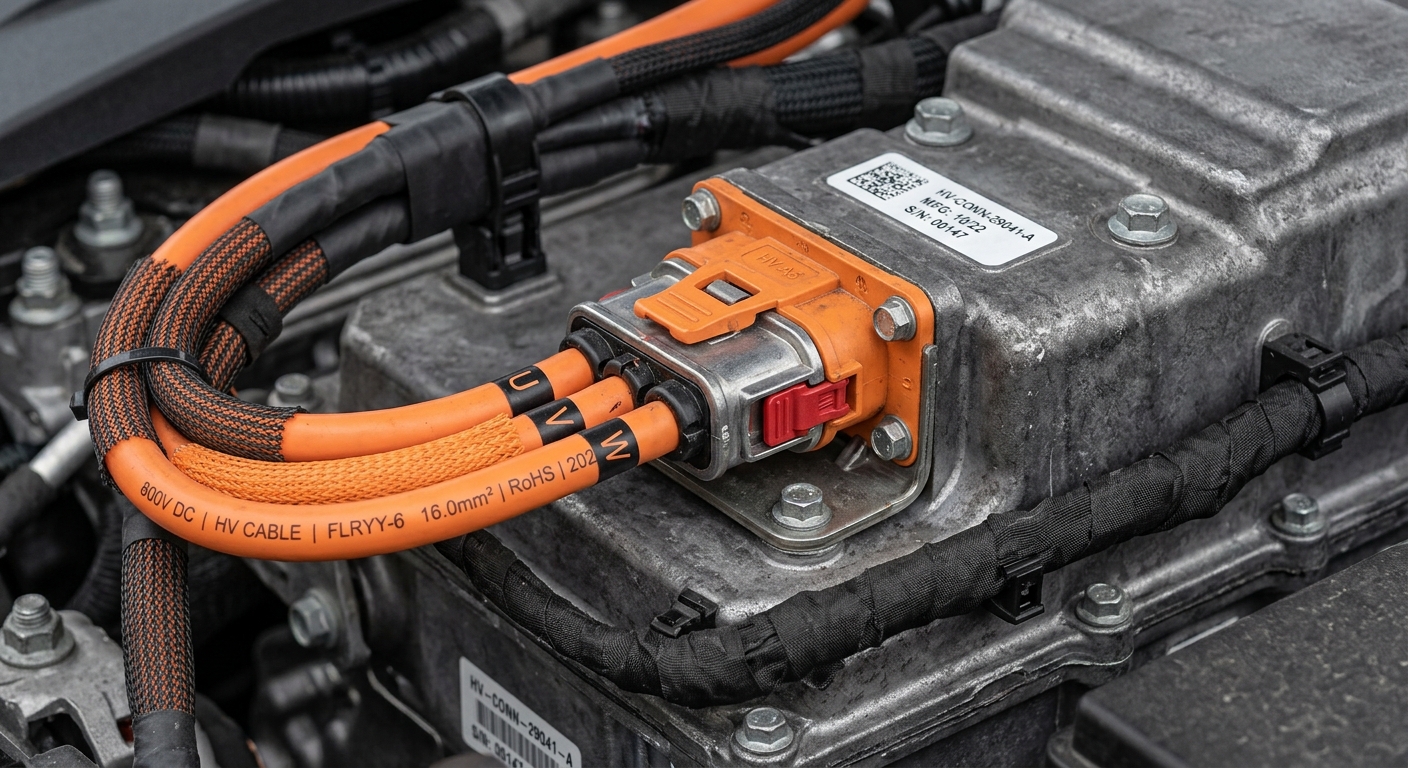
Check voltage class before anything else — it’s the fastest way to eliminate 90% of incompatible options. EV compressors are built for specific high-voltage bands: roughly 200-260V systems on older hybrids, 350-400V systems on the majority of current mainstream EVs, and 650-800V systems on newer high-performance platforms designed for fast charging.
A compressor rated for a 400V system will not simply run at reduced output on an 800V platform — the internal inverter’s switching components are designed around a specific voltage window, and exceeding it can destroy the power electronics almost instantly. Running an 800V-rated unit on a 400V system, meanwhile, often results in insufficient torque and a compressor that stalls under load or never spins up.
What to Ask Every Supplier
- What is the rated operating voltage range (not just nominal voltage)?
- Is there a built-in DC-DC step-down, or does it require system-matched voltage directly?
- Does the compressor include isolation monitoring compatible with the vehicle’s HV interlock loop?
If a supplier can’t answer these three questions with specifics, that’s a red flag worth taking seriously before placing a bulk order.
Refrigerant Compatibility: R1234yf vs R744 Is Not Interchangeable
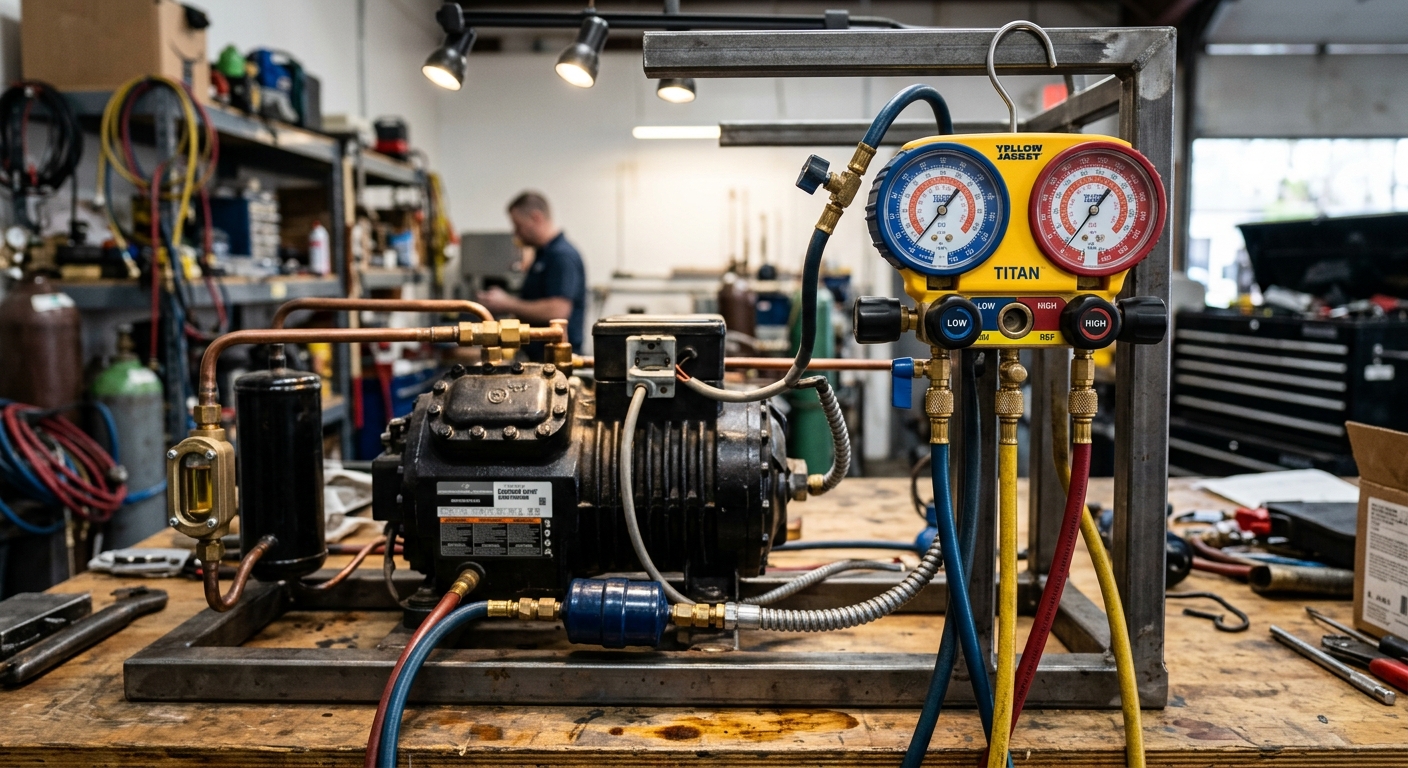
Most EVs on the road today run R1234yf, but a growing share of European and premium platforms — particularly certain Mercedes-Benz and Volkswagen Group EVs — use R744 (CO2) systems instead. These two refrigerants operate at wildly different pressures: R1234yf systems typically run high-side pressures around 200-250 psi, while R744 systems can run high-side pressures exceeding 1,300 psi under normal operation.
A compressor built for R1234yf simply cannot handle R744 pressures — the internal components, seals, and pressure relief thresholds are engineered around completely different operating envelopes. There is no adapter or workaround here. If a fleet buyer is sourcing compressors for a mixed fleet that includes both refrigerant types, they need two distinct SKUs, full stop.
Real-World Example
A European parts distributor once consolidated an order assuming all their EV compressor stock was R1234yf-compatible, only to discover a batch of CO2-system vehicles in a fleet contract couldn’t use any of the incoming inventory. The fix cost weeks of delay and a rushed reorder — a problem entirely avoidable with a refrigerant check at the sourcing stage, the same diligence covered in our guide on choosing the best AC compressor for cars.
Oil Type and Viscosity: The Detail Everyone Underestimates
Every EV electric compressor runs on POE (polyol ester) oil — never PAG oil, which is standard in most combustion-engine AC systems. This isn’t a minor spec difference. PAG oil is not electrically insulating enough for systems where the compressor’s internal windings sit in direct contact with the lubricant, and using it in an electric compressor risks insulation breakdown and internal short circuits.
Beyond the oil family, viscosity grade matters too. POE oils commonly used in EV compressors range from ISO VG 30 to VG 68 depending on the manufacturer’s design, and mixing grades — even within the POE family — can affect lubrication film strength and long-term bearing wear.
Moisture Sensitivity Is the Hidden Risk
POE oil is significantly more hygroscopic than PAG oil, meaning it absorbs moisture from the air far more aggressively. A compressor left uncapped in a humid warehouse for even a short period can pull in enough moisture to cause internal corrosion or acid formation once the system is charged. This is exactly the kind of detail that separates a supplier who understands remanufactured compressor quality standards from one who’s just moving inventory.
Connector and Interlock Compatibility: Where Physical Fit Meets Electrical Safety
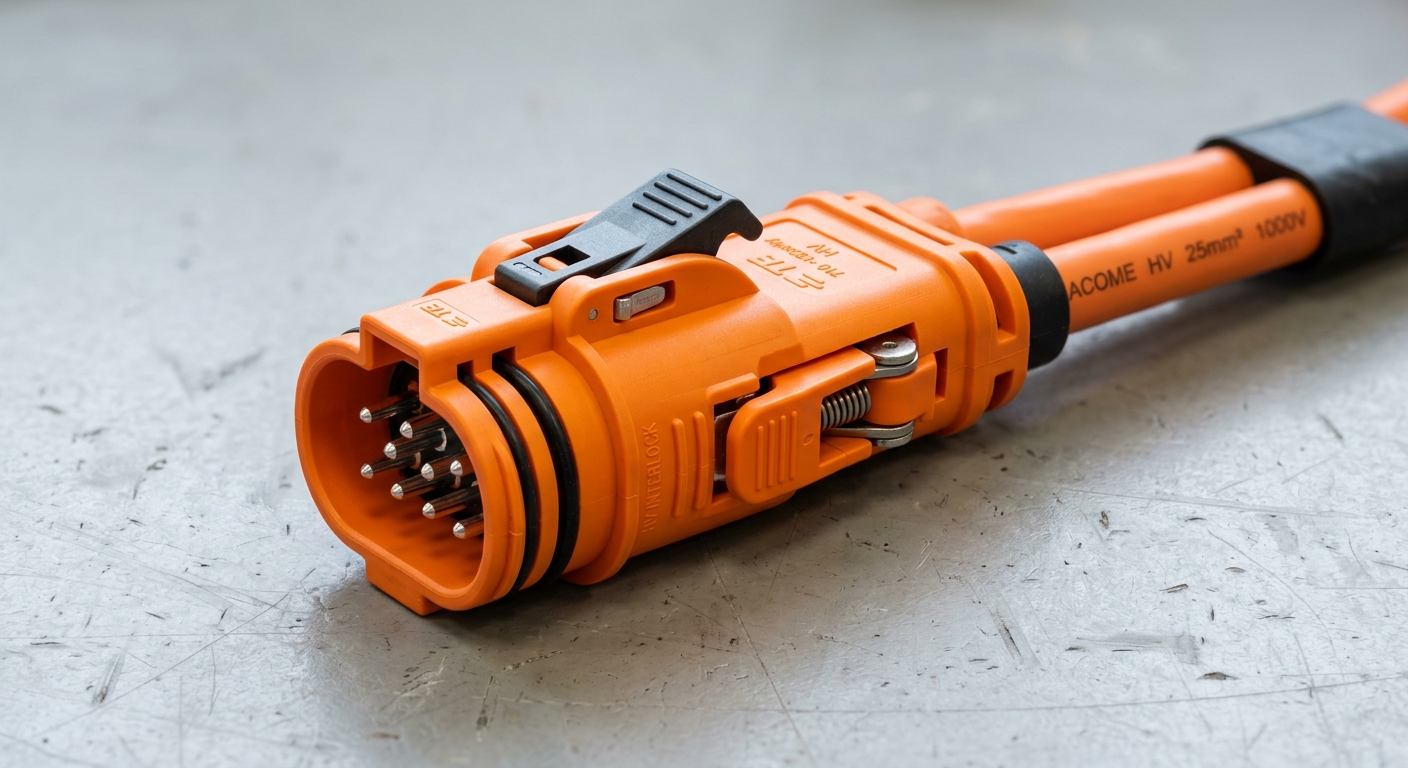
EV compressors typically carry two separate connector interfaces: a high-voltage power connector (often orange-coded per industry convention) and a low-voltage control/signal connector for communication with the vehicle’s climate control module. Both need to match — not just physically snap together, but electrically align pin-for-pin.
The HV connector usually includes an interlock circuit, a small low-current loop that confirms the connector housing is fully seated before allowing high voltage to flow. If this loop isn’t wired correctly on a replacement unit, the vehicle’s safety system will often refuse to energize the compressor at all — no error code explaining why, just a compressor that stays silent.
A Sourcing Shortcut That Backfires
Some suppliers offer ‘universal’ EV compressor connectors with adapter harnesses. These can work, but only if the adapter preserves the interlock loop integrity and doesn’t introduce resistance that trips a fault threshold. For wholesale buyers, it’s worth requesting connector pinout diagrams and interlock continuity specs directly from manufacturers rather than relying on generic compatibility claims — similar diligence to what’s outlined in our internal checklist for AC compressor compatibility by vehicle brand.
Building a Verification Checklist Before You Order
None of these four factors work in isolation — a compressor can nail the voltage class and still be wrong on refrigerant, or match the connector and fail on oil viscosity. The only reliable approach is a combined checklist applied to every SKU before it goes into stock.
- Confirm rated voltage window against the target vehicle’s HV system specification sheet
- Verify refrigerant type (R1234yf vs R744) and cross-check operating pressure range
- Confirm oil type is POE, and match viscosity grade to OEM spec where documented
- Request connector pinout and interlock wiring diagrams from the supplier
- Ask for insulation resistance test data (megohm rating) from end-of-line testing
This is the same rigor we’d expect applied to diagnosing AC compressor failure symptoms on the combustion side — except here, getting it wrong upstream costs far more downstream.
What This Means for Wholesale and Fleet Buyers
If you’re stocking EV AC compressors across multiple vehicle brands, the SKU proliferation is real — a single popular EV model can have two or three compressor variants across model years due to voltage upgrades alone. Don’t assume last year’s part number still fits this year’s trim.
For instance, a fleet maintenance company running a mixed EV delivery fleet across two brands found that model-year facelifts had quietly shifted one platform from a 400V to a 450V-rated compressor architecture, even though the vehicle’s exterior and badge stayed identical. Their supplier’s part catalog hadn’t caught up, and three replacement units failed within weeks of installation before the mismatch was traced back to voltage class.
The takeaway: request updated OEM-reference documentation on every reorder, not just the first time you add a SKU to your catalog.