For most repairs in 2026, quality aftermarket and remanufactured parts will save you real money without sacrificing reliability — often 30–60% less than OEM equivalents. OEM parts only make clear financial sense for safety-critical components, lease vehicles, or when exact fitment is non-negotiable. The nuance matters though: a cheap no-name alternator that fails in eight months costs more than an OEM unit that lasts five years. This guide gives you the framework to make the right call every time, with real numbers and specific component examples.
What OEM and Aftermarket Actually Mean (And Why the Labels Are Misleading)
Here’s something most buyers don’t realize: the company stamped on your OEM part often didn’t manufacture it. Automakers like Toyota, Ford, and Hyundai contract third-party manufacturers — Denso, Bosch, Valeo, Delphi — to build their “original” parts. That Denso alternator in your Honda? Denso also sells a nearly identical unit under its own brand as an aftermarket part, sometimes at 40% less because you’re not paying for the Honda logo.
OEM (Original Equipment Manufacturer)
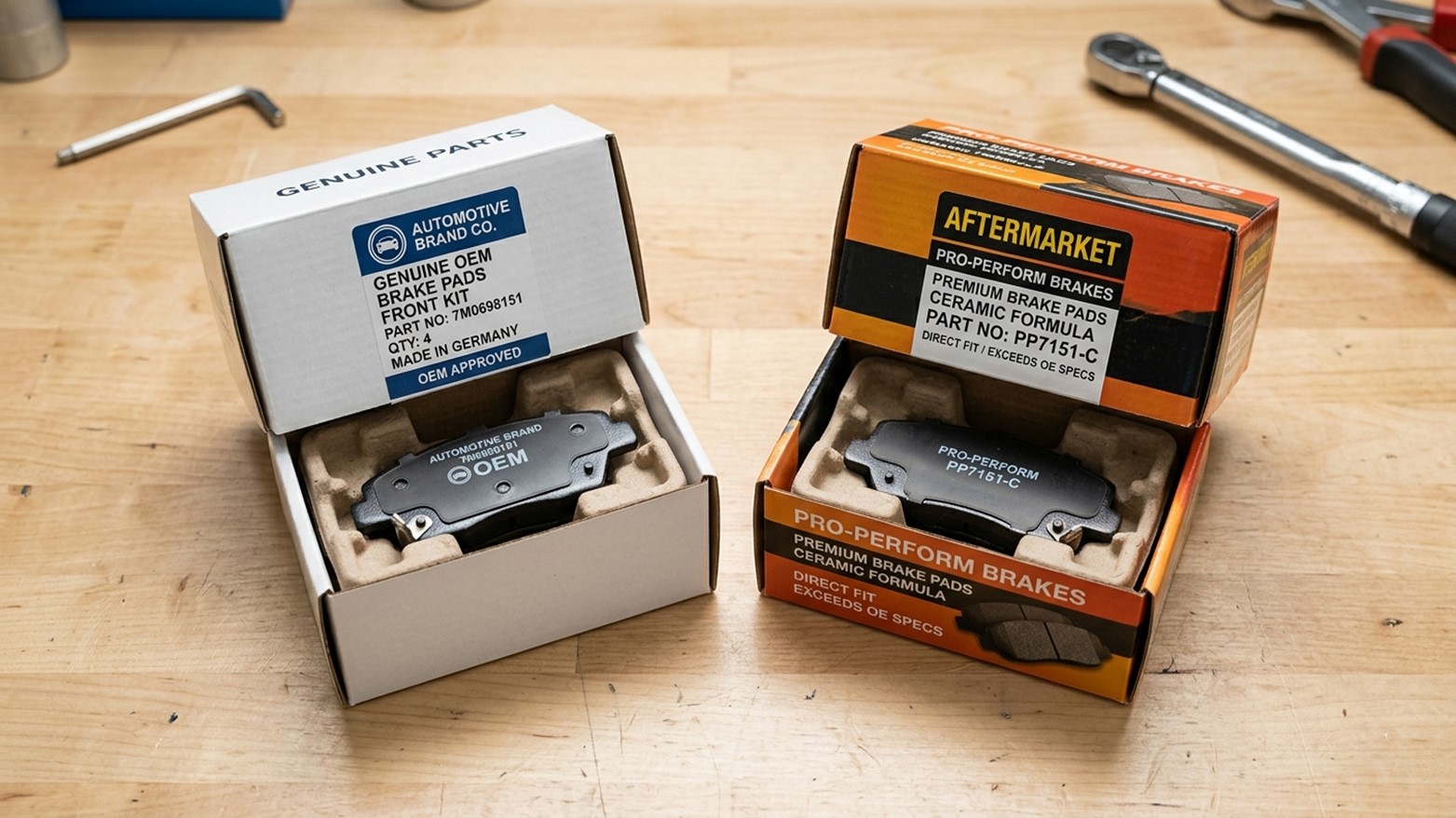
Parts branded and distributed by the vehicle manufacturer. They carry the automaker’s part number, come in branded packaging, and are typically sold through dealership networks. You’re paying a premium for guaranteed compatibility, brand trust, and the manufacturer’s warranty backing.
Aftermarket
Any part made by a company other than the original vehicle manufacturer. This is a massive spectrum — from premium brands like Bosch and Denso that literally made the OEM version, down to unbranded budget parts of questionable origin. Treating all aftermarket parts as equal is the single biggest mistake buyers make.
Remanufactured
There’s a third category that deserves its own lane. Rebuilt and remanufactured parts take an OEM core, disassemble it completely, replace all wear components, test it to OE specifications, and sell it at a fraction of new-part pricing. For components like alternators, starters, and AC compressors, remanufactured units are often the smartest value play available.
The Real Cost Comparison: OEM vs Aftermarket vs Remanufactured
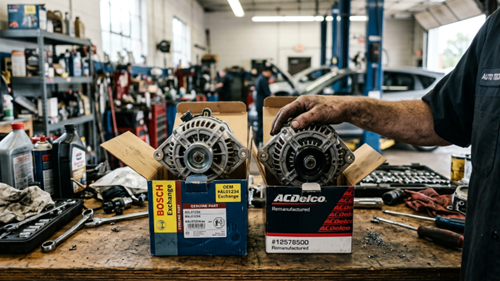
Let’s talk actual numbers. Vague claims about “savings” don’t help you make purchasing decisions — specific price ranges do.
Component-Level Price Breakdown (2026 Averages)
CriteriaOEM PartsAftermarket PartsRemanufactured PartsUpfront CostHighest (baseline)30–60% less40–70% lessFitment Guarantee✓ Exact fitVaries by brand✓ Exact fit (OE specs)Warranty Coverage12–36 months typical6–24 months typical12–24 months typicalAvailabilityDealer-dependentWidely availableSpecialist suppliersLong-Term DurabilityExcellentGood to excellent (brand-dependent)Very goodEnvironmental ImpactNew manufacturingNew manufacturing✓ Lowest — reuses coreBest ForLease vehicles, safety-criticalBudget repairs, common partsAlternators, starters, compressorsResale Value ImpactPreserves valueMinimal impactMinimal impact
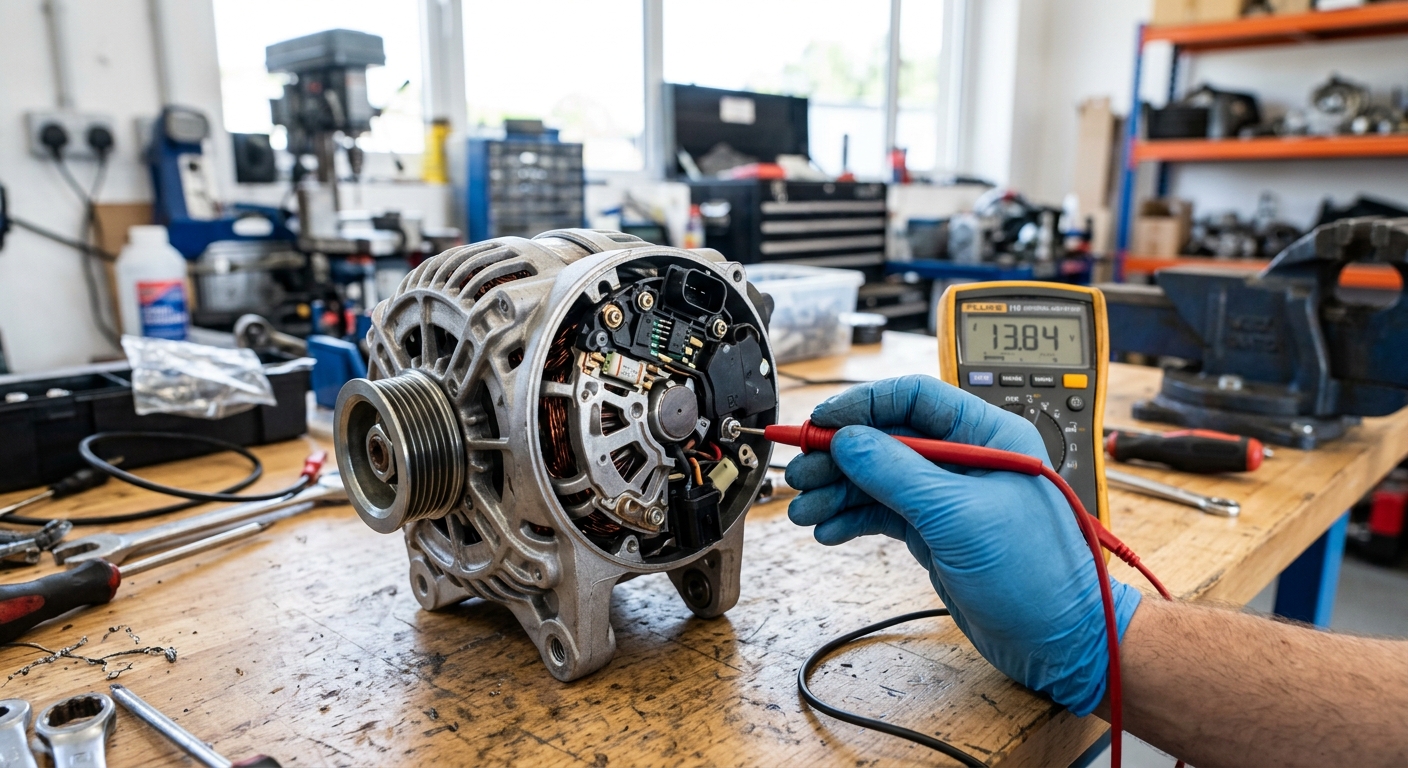
Take alternators as a concrete example. An OEM alternator for a mid-size sedan typically runs $350–$550 from a dealer. A premium aftermarket equivalent from Bosch or Denso lands around $180–$300. A quality remanufactured alternator can come in at $120–$220, tested to OE output specs. If all three last the same number of years — and with reputable brands, they often do — the math is obvious.
Where OEM Actually Wins on Cost
OEM parts sometimes save money in the long run for complex electronic modules, hybrid/EV-specific components, and parts under active recall or TSB coverage. If a dealer replaces a part under warranty or goodwill, that’s $0 out of pocket — hard to beat with any aftermarket option.
Quality Isn’t Binary: The Aftermarket Tier System You Need to Understand

The biggest myth in auto parts is that “aftermarket” means “cheaper quality.” In reality, the aftermarket world has distinct tiers, and understanding them is the difference between saving money smartly and creating expensive headaches.
Tier 1: OE-Equivalent (Premium Aftermarket)
These are parts from the same manufacturers that supply automakers — Denso, Bosch, Aisin, Continental, Valeo. The part is functionally identical to OEM; it just doesn’t carry the vehicle manufacturer’s part number. This tier typically costs 20–40% less than OEM and delivers equivalent longevity.
Tier 2: Reputable Independent Brands
Companies like Dorman, Standard Motor Products, or Gates that don’t supply OE but invest heavily in engineering and testing. Quality is generally good to very good. Savings of 30–50% over OEM. Due diligence matters here — some product lines from these brands are excellent, others are mediocre.
Tier 3: Budget/White-Label Parts
This is where the horror stories come from. Unbranded or unfamiliar-brand parts sourced from the lowest bidder, with minimal quality control. A $45 alternator that fails in four months and takes your battery with it doesn’t save you anything. Avoid this tier for anything electrical or safety-related.
The takeaway? When someone says “I had a bad experience with aftermarket parts,” they almost certainly bought Tier 3. When a shop says “aftermarket is just as good,” they’re talking about Tier 1. Both are telling the truth about their experience — but they’re describing completely different products.
When OEM Is the Only Smart Choice
Despite everything above, there are situations where OEM is genuinely the better financial decision. Don’t let cost savings blind you to these scenarios.
Vehicles Under Factory Warranty
While the Magnuson-Moss Warranty Act (in the U.S.) technically prevents manufacturers from voiding your warranty solely for using aftermarket parts, proving that an aftermarket partdidn’tcause a failure is a headache you don’t need. If your vehicle is under warranty, use OEM for related systems.
Lease Returns
Lease inspectors flag non-OEM parts. A $200 savings on an aftermarket part can turn into a $500 lease-end charge. Not worth the gamble.
Safety-Critical Systems
Braking systems, airbag components, steering parts, and structural elements — these are not the place to save 35%. The liability exposure alone (especially for fleet managers and service shops) makes OEM the rational choice.
Complex Electronics and ADAS
Advanced driver-assistance systems, adaptive headlights, and integrated sensor modules often require OEM parts for proper calibration. Aftermarket alternatives either don’t exist or can’t communicate correctly with the vehicle’s CAN bus network.
When Aftermarket and Remanufactured Parts Are the Clear Winners
For the majority of replacement parts on vehicles past their warranty period, aftermarket and remanufactured options deliver better value — full stop. Here are the categories where the savings are most compelling.
Electrical Components: Alternators, Starters, and Compressors
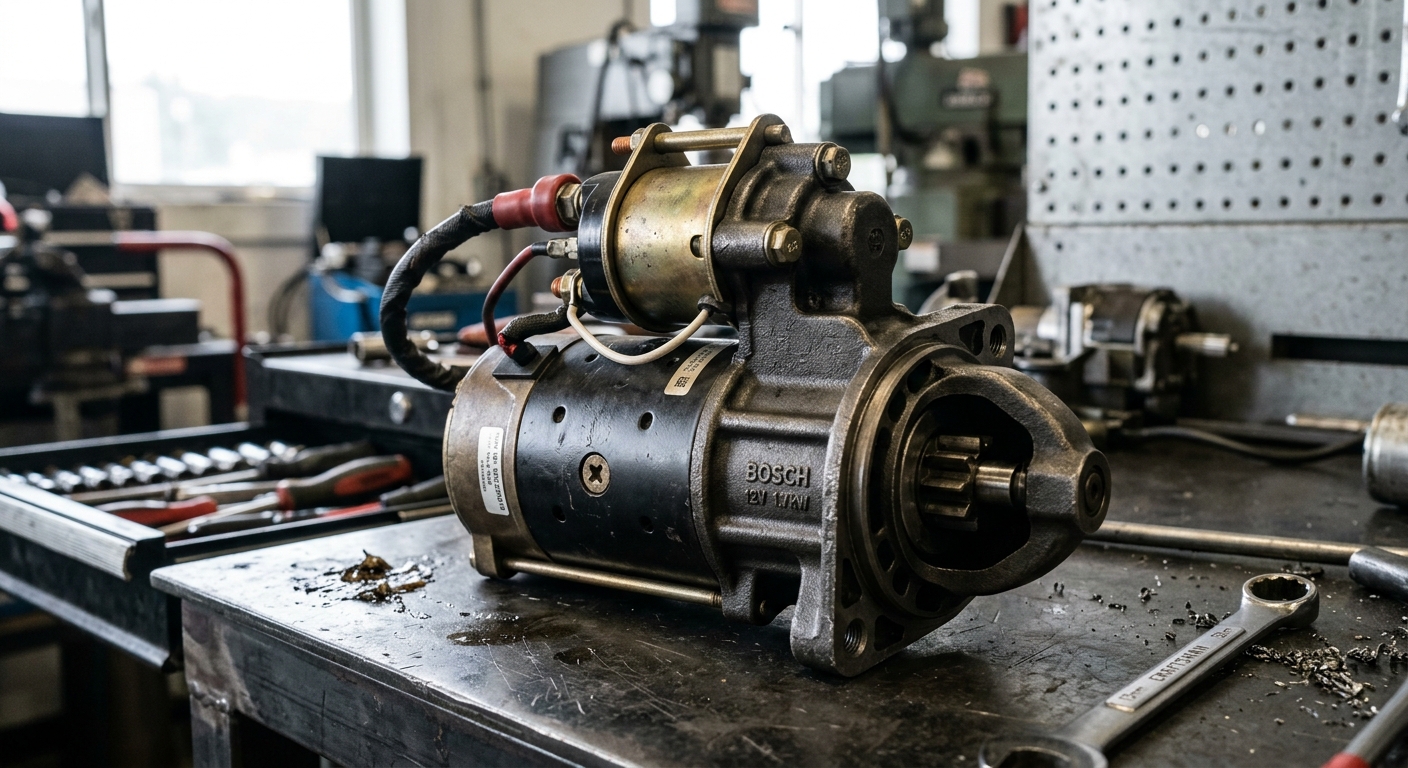
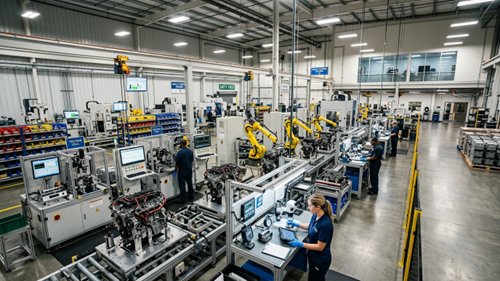
These are the sweet spot for remanufactured parts. The core (housing, armature, shaft) of an alternator or starter motor doesn’t wear out — it’s the brushes, bearings, regulators, and diodes that fail. A proper remanufacturing process replaces every wear item, tests the unit on a dynamometer, and delivers a part that performs identically to new at a fraction of the cost.
For instance, a fleet maintenance company managing 200 delivery vans switched from OEM starters to remanufactured units from a certified supplier. Over 18 months, they reported a failure rate of less than 2% — comparable to OEM — while cutting their starter replacement budget by 55%. That’s not a marginal saving; it’s tens of thousands of dollars redirected to other maintenance needs.
AC Compressors
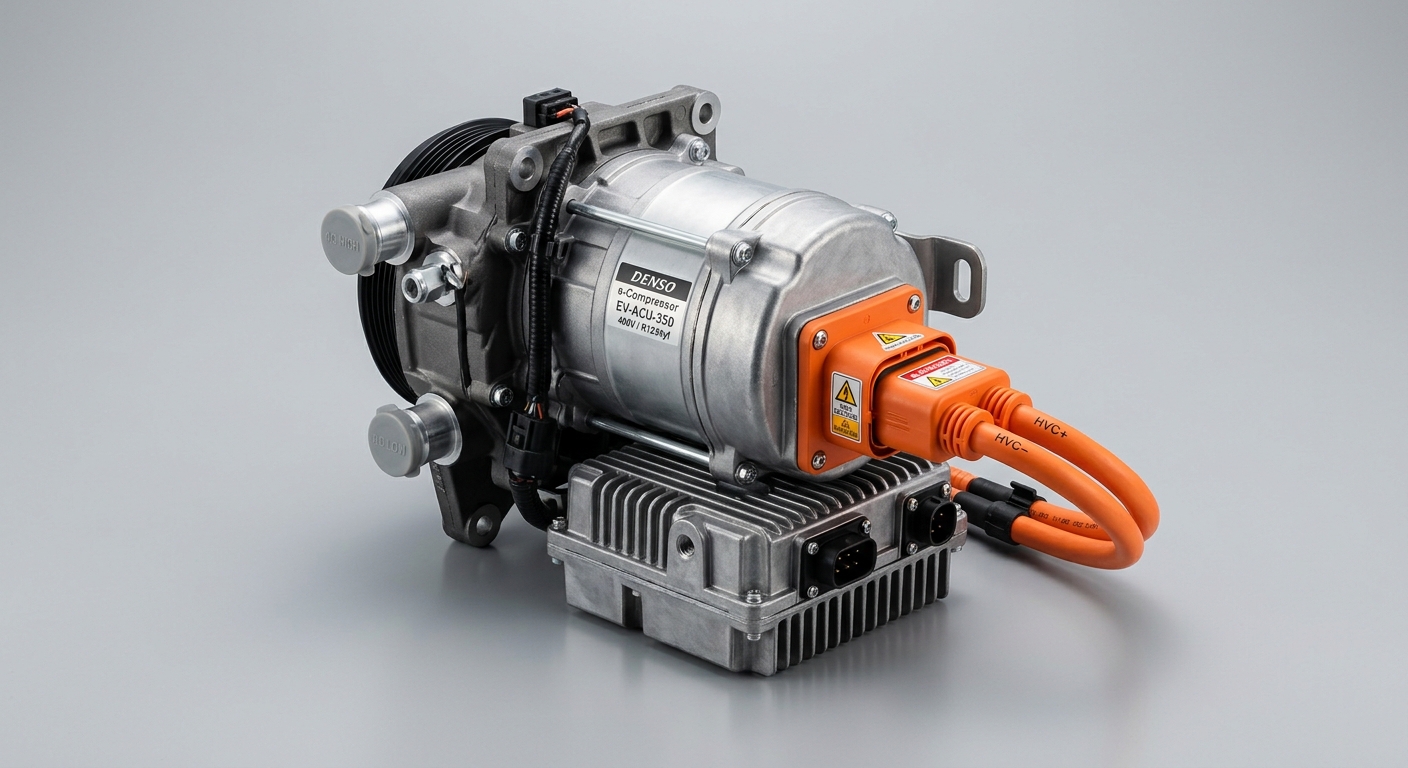
A remanufactured car AC compressor typically costs 50–65% less than an OEM unit. Given that compressor replacement also involves system evacuation, new receiver-drier, and refrigerant — costs that are identical regardless of the compressor source — the part savings become even more significant as a percentage of total repair cost.
Wear Parts and Maintenance Items
Brake pads, rotors, filters, belts, hoses, spark plugs, and suspension bushings from Tier 1 or Tier 2 aftermarket brands are functionally equivalent to OEM. These parts are designed to be replaced at intervals, and the engineering tolerances are well-understood across the industry. Paying OEM premiums for a cabin air filter is just leaving money on the table.
A Real-World Scenario: Independent Shop Owner Choosing Parts for a 2020 Camry
Let’s walk through a realistic example. Maria runs a three-bay independent repair shop in the Midwest. A customer brings in a 2020 Toyota Camry with a failing alternator, worn brake pads, and a noisy AC compressor. The car has 87,000 miles and is well out of warranty. Here’s how Maria would approach the parts decision:
Alternator
OEM from the Toyota dealer: $485. Denso aftermarket (the actual OE supplier): $265. Quality remanufactured unit: $175. Maria chooses the remanufactured alternator from a supplier she trusts, with a 24-month warranty. She’s installed hundreds of them with a return rate under 3%. Savings: $310 over OEM.
Brake Pads
OEM Toyota pads: $95/set. Akebono aftermarket ceramic (an OE supplier to Toyota): $62/set. Maria goes Akebono — literally the same manufacturer, same compound, different box. Savings: $33 per axle.
AC Compressor
OEM: $620. Aftermarket new: $340. Remanufactured: $245. Given the total job cost (evacuation, drier, oil, refrigerant, labor) will be around $1,200 regardless, Maria recommends the remanufactured compressor. Total savings to the customer: $375 on the compressor alone. The customer gets a reliable repair and Maria maintains her margin while keeping the invoice competitive.
Total savings across all three repairs: roughly $720. That’s not theoretical — that’s a real-world outcome when you know which tier and source to trust.
The Hidden Costs Most Buyers Forget to Calculate
Sticker price is only part of the equation. Several hidden costs can flip the OEM vs. aftermarket calculation on its head if you’re not careful.
Downtime and Labor Costs
If a cheap aftermarket part fails prematurely, you’re paying labor twice. On a job like an alternator or starter replacement where labor runs $150–$250, a comeback wipes out any parts savings instantly. This is why Tier 3 budget parts are a false economy — the labor risk alone makes them more expensive than OEM.
Core Charges and Returns
Remanufactured parts typically require a core return. If you don’t send back the old unit (or it’s too damaged), you’ll eat a core charge of $30–$150 depending on the component. Factor this into your cost comparison.
Shipping and Lead Times
OEM parts from a dealer are often available same-day or next-day. Aftermarket parts from online suppliers may take 3–5 business days. For a fleet vehicle or a customer’s daily driver, downtime has real cost. A part that’s $80 cheaper but takes four extra days to arrive might not be the better deal.
Warranty Claim Process
OEM warranty claims go through the dealer — straightforward but sometimes slow. Aftermarket warranty processes vary wildly. Some premium aftermarket brands offer hassle-free replacement; budget brands make you jump through hoops. Ask about the warranty processbeforeyou buy, not after a failure.
2026 Market Trends Shifting the OEM vs Aftermarket Equation
The auto parts landscape in 2026 is different from even two years ago. Several trends are actively reshaping the value proposition of each option.
EV and Hybrid Growth
As electric and hybrid vehicles age out of warranty, the aftermarket is scrambling to develop replacement parts for high-voltage systems, battery management modules, and regenerative braking components. For now, OEM dominates EV-specific parts simply because aftermarket alternatives barely exist. This will change, but in 2026, EV owners have fewer options.
Supply Chain Stabilization
The post-pandemic supply chain chaos has largely settled. OEM parts availability has improved significantly, narrowing the convenience advantage that aftermarket suppliers held during 2021–2024 shortages. However, OEM pricing has also increased — many automakers raised parts prices 15–25% since 2022 and haven’t rolled them back.
Remanufacturing Technology Advances
Modern remanufacturing facilities now use automated testing, laser measurement, and digital quality tracking that rivals new-part production. The quality gap between remanufactured and new has never been smaller. For components like starter assemblies using regeneration technology, the performance difference is essentially zero.
Right-to-Repair Momentum
Expanding right-to-repair legislation in the U.S. and EU is forcing automakers to share diagnostic data and part specifications with independent shops and aftermarket manufacturers. This is accelerating aftermarket development for previously OEM-only components, particularly in electronics and ADAS systems.
A Decision Framework: Choosing the Right Part Source Every Time
Rather than defaulting to one source for everything, use this decision tree for each individual component:
- Is the vehicle under factory warranty?→ Use OEM for related systems.
- Is it a safety-critical component (brakes, steering, airbags)?→ Use OEM or Tier 1 aftermarket only.
- Is it an electrical/mechanical component (alternator, starter, compressor)?→ Remanufactured from a reputable supplier is your best value.
- Is it a wear/maintenance item (filters, pads, belts)?→ Tier 1 or Tier 2 aftermarket. No reason to pay OEM prices.
- Is it a complex electronic module or ADAS component?→ OEM until the aftermarket catches up.
- Is it a body panel or cosmetic part?→ Aftermarket is fine for non-structural panels; OEM for precise color-match and fit on newer vehicles.
This framework isn’t about brand loyalty or ideology — it’s about matching the right source to the right application. The smartest buyers (and the most profitable shops) mix and match based on the specific repair.
Making the Smart Choice for Your Next Repair
The OEM vs. aftermarket debate has no universal winner — and anyone who tells you otherwise is selling something. What does exist is a clear strategy: use OEM where it genuinely matters (warranty vehicles, safety systems, complex electronics), choose premium aftermarket for maintenance and wear items, and leverage remanufactured parts for electrical and mechanical components where the savings are dramatic and the quality is proven.
The biggest money-saving move in 2026 isn’t choosing one category over another — it’s knowing which tier and source to trust for each specific component. A quality remanufactured alternator from a certified facility will outperform a budget new alternator every time, at a lower price point.
At aohuiautoparts, we specialize in remanufactured and aftermarket electrical components — alternators, starters, and AC compressors — built to OE specifications with rigorous testing standards. Whether you’re a shop owner sourcing parts for daily repairs or a fleet manager optimizing your maintenance budget, browse our product catalog or reach out to our team to find the right part at the right price for your application.